
Choosing where to store your wine at home sounds simple until you start thinking about temperature swings, daily habits, and how much space you actually want to give up. The best location for a wine cellar is rarely about what looks good on a floor plan. It’s about how your home behaves across seasons and how you live in it every day.
If you’re planning a residential wine cellar installation, the space you choose will shape everything from long-term wine preservation to how often you enjoy your collection. Let’s walk through the most common options and what really matters with each one.
The Basement: Naturally Cool and Consistent
For many homeowners, the basement is the obvious first choice. And for good reason. Below-ground spaces stay cooler and more stable than upper floors, which is exactly what wine needs. The natural insulation can help reduce the amount of climate control equipment you’ll need. However, it’s critical not to forgo climate control equipment installation entirely.
Basements also give you flexibility. You can build a walk-in cellar, add custom racks, or even create a bar without worrying too much about noise or daily foot traffic. It feels tucked away in the best way.
But not every basement is wine-ready. If your space is prone to dampness or flooding, that has to be addressed first. Excess humidity can damage labels, corks, and shelving. A dry, well-sealed basement makes a strong foundation for long-term storage.
Under the Stairs: Smart Use of Forgotten Space
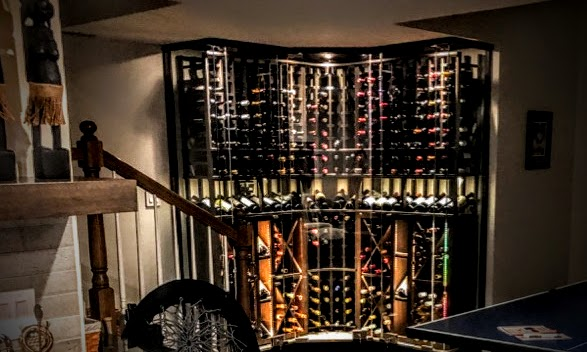
If you love the idea of a custom wine cellar but don’t have a full room to spare, under-stairs storage can be surprisingly effective. This option works well in homes where square footage is limited or where you want wine close to the main living area.
Under-stairs spaces tend to stay relatively dark and insulated, especially if they sit near the center of the house. That makes them easier to temperature-control compared to exterior walls.
There are a few practical considerations. Headroom is limited, so large collections may outgrow the space quickly. Ventilation also needs careful planning since these areas aren’t designed as storage rooms to begin with. Still, for many people, an under-stairs cellar feels convenient and personal. You walk past it daily. You use it often. That matters.
The Spare Room: Flexible and Visible
A spare bedroom or unused office offers the most design freedom. You have full walls, standard ceiling height, and plenty of room to organize your collection exactly how you want it.
This option works especially well if you enjoy entertaining. A spare-room cellar can double as a tasting lounge, display space, or quiet retreat. You don’t just store wine. You interact with it.
Climate control becomes more important here. Upper-level rooms are more exposed to outside temperature changes, which means insulation and cooling systems need to work harder to maintain stability.
Energy use is something people often overlook. Converting a full room requires more consistent regulation than a compact storage space. Still, if accessibility and visual appeal matter most to you, a spare room gives you unmatched flexibility.
How Your Lifestyle Shapes the Right Choice
The best location for a wine cellar isn’t just about physics. It’s also about habits.
If you collect bottles for long-term aging and open them occasionally, a basement makes sense. It’s stable, quiet, and out of the way.
If you reach for wine regularly while cooking or hosting, under-stairs storage keeps everything within easy reach.
If wine is part of your social life or personal downtime, a spare room creates an experience around it. You’re not just storing bottles. You’re creating a space you enjoy being in.
Think about how often you’ll visit the cellar, not just how it looks when finished.
Seasonal Conditions Matter More Than You Think
Every home responds differently to the weather. That’s why climate should guide your residential wine cellar installation decisions from the beginning.
Homes in colder locations benefit from basement stability. Pay attention to how your home feels in July and January. The space that stays most consistent throughout the year usually makes the best candidate.
Space, Comfort, and Long-Term Practicality
It’s easy to focus on design features, but comfort and maintenance matter just as much. You want a location that’s easy to monitor, simple to clean, and practical for future expansion if your collection grows.
Walk through the space at different times of day. Notice temperature, noise, and lighting. Imagine carrying bottles in and out. These small details shape how enjoyable the cellar will feel over time.
A well-chosen location doesn’t just protect wine. It fits naturally into the rhythm of your home.
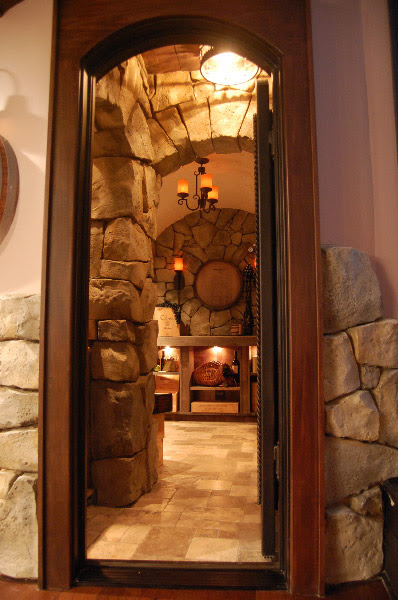
At Baroque Design Custom Wine Cellars, we help you choose the best locations for wine cellars in your Chicagoland homes while creating custom wine storage solutions that fit your lifestyle.
From design details to performance, we handle every part of your residential wine cellar installation in Highland Park and nearby locations across Chicagoland.
