
Planning a custom wine cellar is exciting. It is also surprisingly personal. Some people want a quiet place to store a few favorite vintages. Others imagine hosting lively dinners with friends and opening something special every weekend. The right size depends on how you actually live with wine, not just how beautiful the space looks on paper.
This wine cellar capacity guide will help you figure out how many bottles make sense for your home, your habits, and your future plans.
Start With Your Real Collection, Not Your Dream One
A good starting point is simple. Count how many bottles you already own to understand your wine cellar capacity.
If you keep 60 bottles today, building storage for exactly 60 will feel cramped almost immediately. Most homeowners underestimate how quickly collections grow. A few wine club shipments, a memorable trip, or a couple of holiday cases can double your inventory in a year.
A practical rule is to plan for at least two to three times your current collection. If you own 100 bottles, a custom wine cellar that holds 300 gives you breathing room without wasting space.
Think about your buying habits too. Do you purchase by the case? Do you store wines for aging? Long-term storage needs more capacity because bottles stay put for years.
How Often Do You Entertain?
Your social life plays a bigger role than most people expect.
If you regularly host dinner parties, celebrations, or wine tasting nights, bottles move in and out quickly. That means you need wine cellar capacity for both everyday wines and special-occasion reserves. Many homeowners like to keep a “ready to serve” section plus deeper storage for aging bottles.
In parts of Chicago where winter and summer gatherings are common, it is not unusual for homeowners to keep extra inventory just for the entertaining season. Holiday and summer dinners, game nights, and indoor celebrations can easily increase how much wine you store at once.
If you host monthly or more, add at least 25 to 50 percent more capacity than your personal drinking habits alone would suggest.
Plan for Growth You Haven’t Experienced Yet
Wine collecting has a funny way of becoming more serious over time.
You might start with a few bottles from local shops, then discover limited releases, then begin tracking vintages you want to age properly. Before long, you are saving bottles for anniversaries or future milestones.
When considering wine cellar capacity, always include future growth. Many homeowners regret building too small far more than building slightly larger.
If space allows, consider adding expansion flexibility. Modular racking, open wall sections, or adaptable shelving can make it easier to increase storage later without major renovation.
Space Realities in Chicagoland Homes
Architecture shapes what is possible. Basements, spare rooms, and under-stair spaces all create different wine cellar capacity limits.
In suburban homes around Naperville, larger basements often allow full walk-in wine rooms that can store hundreds or even thousands of bottles. Meanwhile, historic homes in Hinsdale may require more creative layouts to work around existing structures.
Humidity, insulation, and temperature stability also matter. Older homes sometimes need more planning to support consistent storage conditions, which can influence how much usable space you actually have.
The physical footprint of your home often sets the upper limit. The goal is to match capacity to realistic space, not force an oversized design where it does not fit naturally.
Translating Bottle Count Into Physical Storage
Knowing your target number is one thing. Understanding how that number fits into a room is another.
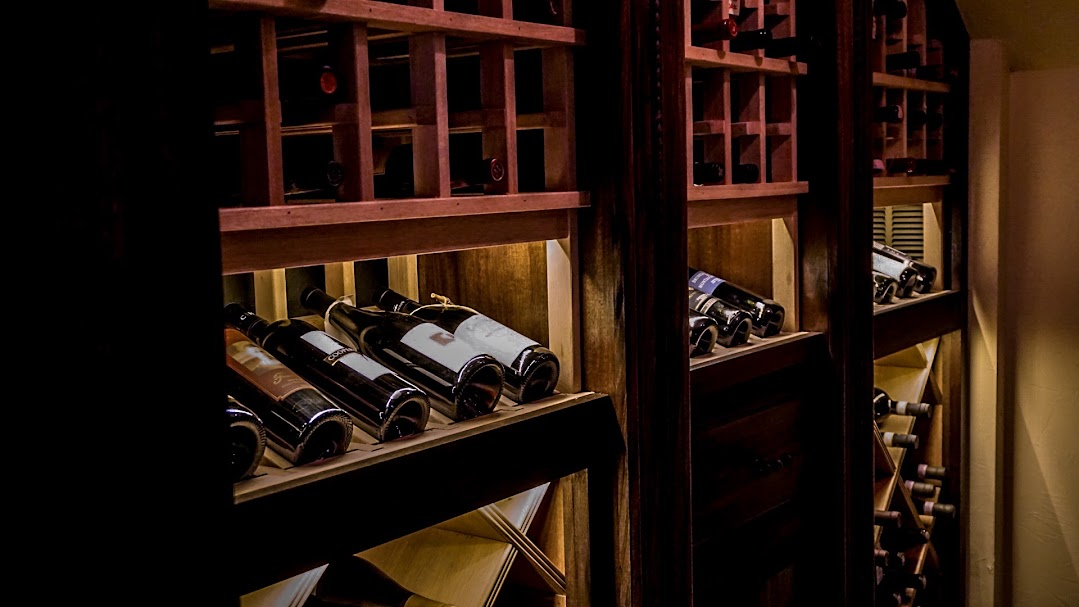
Standard racking density varies depending on bottle size, display style, and accessibility. Individual bottle racks take more space but make labels easy to see. Case storage is more compact but less visually appealing. Display rows for showcase bottles also reduce total capacity.
For example, a compact wall unit might hold 200 bottles, while a full walk-in layout with mixed racking styles could hold 800 or more in the same general footprint if designed efficiently.
When planning a custom wine cellar, it helps to think about how you want to interact with your collection. Do you want visual impact, easy access, or maximum storage density? Each choice changes the final bottle count.
Lifestyle Details That Change the Numbers
Small personal habits influence wine cellar capacity more than you might expect.
If you buy wine while traveling, you need extra space for sudden additions. If you collect large-format bottles, they take up more room than standard ones. If you separate reds, whites, and sparkling wines by serving readiness, you may need distinct storage zones.
Even how long you hold onto bottles matters. Someone who drinks purchases within months needs less storage than someone aging wine for a decade.
At Baroque Design Custom Wine Cellars, our consultants and designers help you plan ideal wine cellar capacity with beautifully crafted custom wine cellars tailored to your lifestyle. We create storage that grows with your collection and complements your home.
If you are ready to work with trusted wine cellar builders in Hinsdale, we are here to help.
