
Spring in Chicagoland has a personality of its own. One day feels like early summer, the next reminds you winter never really left. For people who collect wine, that unpredictability is more than a seasonal quirk. It can quietly interfere with how wine ages, tastes, and holds its value. That’s why wine cellar climate control becomes especially important in spring, even more than during the heat of summer or the chill of winter.
If you’ve invested in a custom wine cellar, this is the season that truly tests whether your storage environment is doing its job.
Spring in Chicago Is a Temperature Rollercoaster
Locals know the rhythm. A sunny 68°F afternoon followed by a 42°F rainy morning. A warm breeze off the lake, then a cold snap overnight. Homes respond to these swings more than people realize.
Indoor temperatures shift as heating systems power down, windows open, and humidity rises with spring rain. Basements warm gradually. Upper floors heat quickly when the sun hits south-facing windows. Even well-insulated homes feel the push and pull of changing outdoor air.
Unlike people, wine cannot adjust gradually. Rapid temperature changes cause the liquid to expand and contract inside the bottle. That movement stresses the cork seal, which can let in tiny amounts of air. Oxidation begins long before you taste anything wrong.
Why Temperature Stability Matters More Than the Number
Many collectors focus on hitting the classic 55°F storage mark. That number matters, but stability matters more.
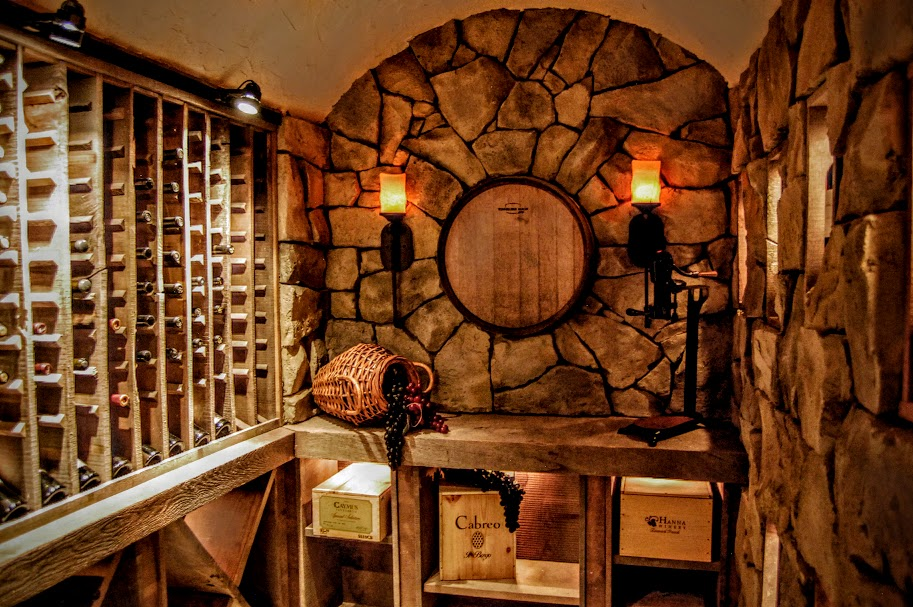
Wine ages best when the temperature stays consistent. A cellar that shifts between 55°F and 65°F every few days creates more stress than one that sits steadily at 60°F. In spring, that consistency is harder to maintain because home environments are constantly adjusting.
Think about a finished basement during April. The furnace runs less often. Ground moisture increases. Rainy stretches raise humidity. Sunny days warm exterior walls. All of these small influences combine into subtle internal shifts.
A properly designed custom wine cellar accounts for those seasonal patterns. It isolates the storage space from the rest of the home, so outside changes don’t keep reaching your bottles.
Humidity Swings Are a Hidden Spring Problem
Temperature gets most of the attention, but humidity deserves equal concern. Chicago’s spring air carries more moisture than winter air, especially during long rainy periods. Indoor humidity rises along with it.
Too much humidity encourages mold growth on corks and labels. However, too little dries corks out. What makes spring tricky is the constant swing between damp and dry conditions. One week of heavy rain can raise basement humidity significantly. Then a stretch of sunny weather dries everything quickly. These shifts repeat throughout the season.
Effective wine cellar climate control regulates both temperature and humidity. That balance protects cork integrity, label condition, and the long-term aging process.
Spring Sunlight and Heat Gain Inside the Home
Sunlight grows stronger in spring, even when the outdoor air still feels cool. That sunlight warms walls, floors, and nearby rooms. If your wine storage area shares space with general living areas, it absorbs that heat.
South-facing homes often experience this effect first. Afternoon sun raises interior temperatures gradually, sometimes without anyone noticing. Wine stored in open racks, closets, or unfinished basement corners feels that slow heat buildup.
A sealed custom wine cellar blocks outside heat and light. Insulated walls, vapor barriers, and specialized doors keep interior conditions steady even when sunlight warms the rest of the house.
Aging Wine Is a Long Game
Wine aging happens slowly, but environmental damage can happen quickly. A few unstable months each year may not seem serious, yet repeated seasonal stress compounds over time.
Imagine a bottle stored for ten years. That means ten Chicago springs. Ten cycles of warming, cooling, expanding, and contracting. The cumulative effect changes texture, aroma, and structure in ways you cannot reverse.
This is why collectors who plan long-term storage rely on dedicated wine cellar climate control rather than general household cooling.
Consistency Protects More Than Taste
Stable storage supports proper maturation, preserves investment value, and protects rare vintages from premature decline. Bottles intended to develop complexity over the years depend on calm, predictable conditions.
Spring is when those conditions face the most pressure. That’s when reliable wine cellar climate control does its most important work.
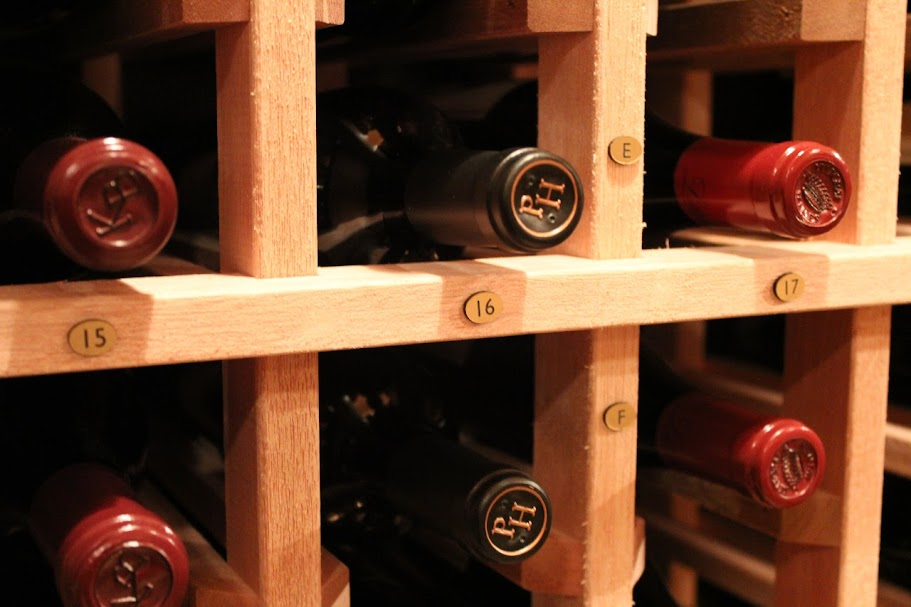
At Baroque Design Custom Wine Cellars, we design every custom wine cellar with precision, combining style and reliable wine cellar climate control for lasting performance. From concept to residential wine cellar installation in Naperville and nearby locations, we handle every detail from aesthetics to functionality, creating storage spaces built for stability, beauty, and long-term wine protection you can trust every season of the year ahead comfortably always.
