
Chicago has a serious wine scene. From cozy Lincoln Park townhomes to sprawling North Shore estates, homeowners across the city are carving out space for collections they actually want to enjoy. Building a custom wine cellar is not just about storage. It is about protecting your bottles, elevating your home, and creating a place that feels personal.
Chicago’s climate adds a few twists to the process, which is why planning matters. This guide walks you through every step, from choosing the right space to long-term care, with real-world insight tailored to life in the Windy City.
Start With the Right Location in Your Home
Before sketches or racking styles, the first decision is location. In Chicago homes, basements are the most popular choice, and for good reason. They stay cooler year-round and are easier to insulate from heat swings.
That said, not every basement is ideal. Flood risk, ceiling height, and proximity to mechanical systems all matter. If a basement is not an option, interior rooms away from exterior walls can also work.
When building a custom wine cellar, the goal is control. Temperature, humidity, and light exposure must stay stable. The less your cellar fights Chicago’s hot summers and freezing winters, the better it will perform long term.
Understand Chicago’s Climate Challenges
Chicago weather does not play nice with wine. Summers bring humidity and heat. Winters bring deep cold and dry air. These extremes can damage corks, labels, and wine itself if not properly managed.
This is why insulation is non-negotiable. Walls, ceilings, and even floors need thermal protection. Vapor barriers are just as important. Without them, moisture can collect inside walls and cause mold or structural damage.
Anyone serious about building a custom wine cellar in Chicago must treat climate control as the foundation, not an add-on.
Design for How You Actually Collect Wine
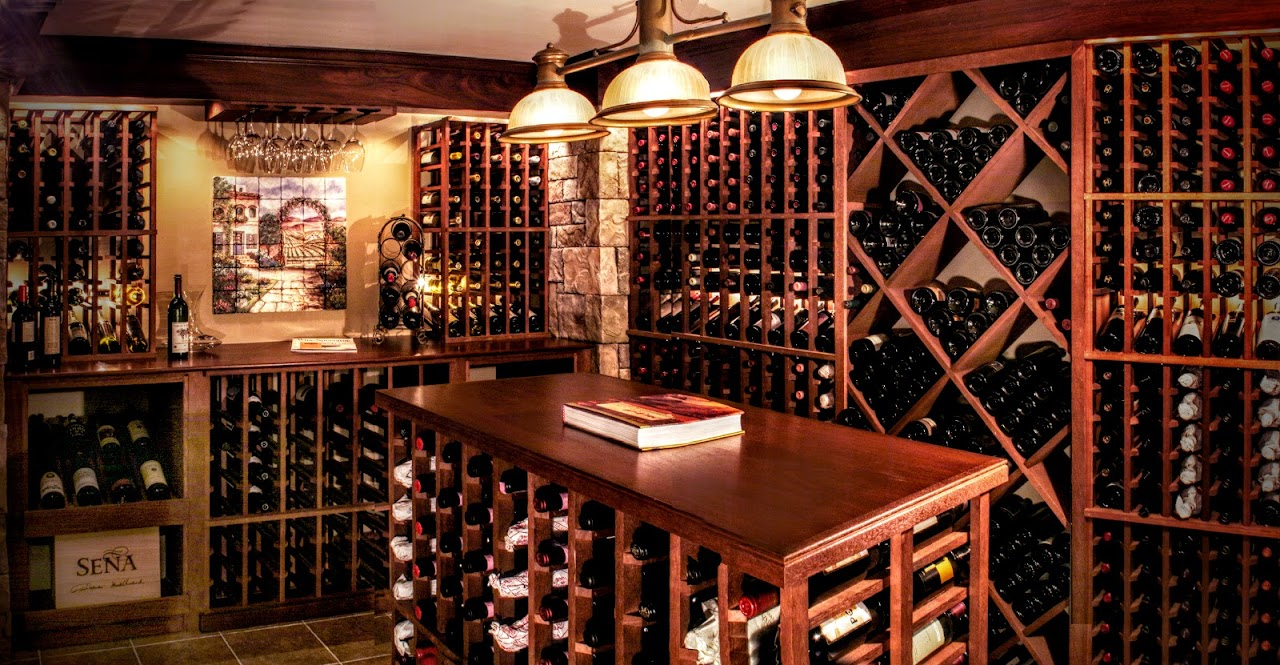
This is where lifestyle meets function. Some collectors buy cases of Bordeaux and let them age. Others grab a mix of bottles for regular dinners. Your cellar should reflect how you drink, not just how it looks in photos.
Think about bottle sizes, too. Champagne, magnums, and odd-shaped bottles need dedicated space. Adjustable racking systems give flexibility as your collection evolves.
A thoughtfully designed custom wine cellar should feel intuitive. You should be able to find a bottle quickly without shifting half the room around.
Choose Materials That Hold Up Over Time
Chicago humidity levels make material selection especially important. Solid wood racks look beautiful, but not all woods perform well in fluctuating moisture.
Redwood and mahogany are popular for a reason. They resist warping and mold better than softer woods. Metal racking works well too, especially for modern designs, and handles humidity with ease.
Flooring should also be moisture-resistant. Sealed concrete, tile, and stone are all smart choices. Carpet and untreated wood are not.
When building a custom wine cellar, materials should work as hard as they look good.
Nail the Temperature and Humidity Balance
Wine prefers consistency. The sweet spot is around 55 degrees Fahrenheit with humidity between 60 and 70 percent. Achieving that in Chicago takes professional-grade cooling systems.
Cellar cooling units are not the same as standard HVAC. They are designed for low temperatures and tight humidity control. Proper sizing matters. An undersized unit will run constantly and fail early.
Humidity control is just as critical. Too dry and the corks shrink. Too damp and the labels peel. Building a custom wine cellar without dedicated climate equipment is a gamble no serious collector should take.
Lighting That Protects and Enhances
Lighting often gets overlooked, but it has a big impact. Wine hates UV exposure, so natural light should be avoided or fully blocked.
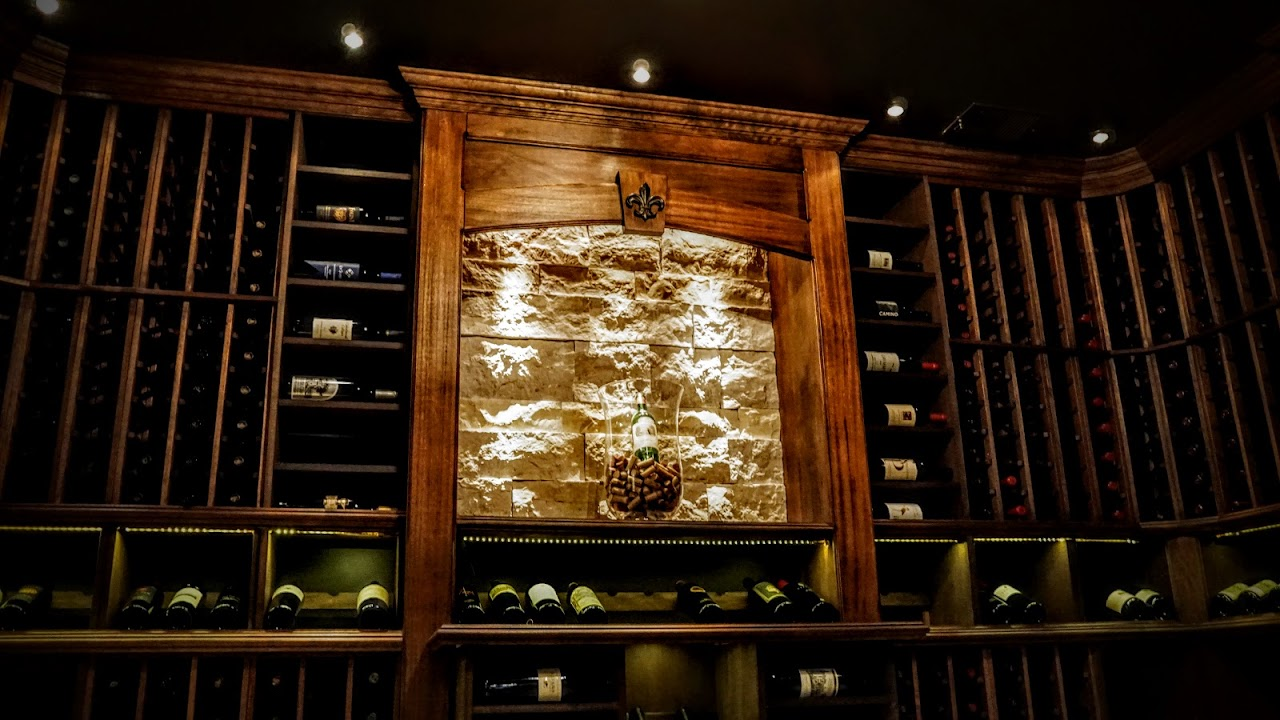
LED lighting is the go-to choice. It runs cool, uses little energy, and produces minimal UV. Recessed lights, shelf lighting, and soft accent illumination all add ambiance without risking your collection.
A well-lit custom wine cellar should feel warm and inviting without feeling bright.
Storage Layout and Flow
How you move through the space matters. Narrow aisles feel cramped. Poor layout makes browsing frustrating. Good flow makes the cellar feel larger than it is.
Tasting counters, display rows for favorite bottles, and diamond bins for bulk storage all serve different purposes. Mixing them creates balance.
When building a custom wine cellar, layout is not about filling every inch. It is about making the space enjoyable to use.
Construction Details That Make or Break the Cellar
This is where professional craftsmanship shines. Airtight doors, proper seals, and insulated glass all help maintain stable conditions.
Doors should be exterior-grade, even if the cellar sits inside the home. Glass doors must be double or triple-paned with UV protection.
Every penetration, from electrical wiring to ducting, needs sealing. Small gaps lead to big problems over time. Building a custom wine cellar is as much about what you do not see as what you do.
Permits and Local Considerations in Chicago
Chicago building codes can be strict, especially for basement renovations. Electrical work, framing, and climate systems may require permits.
Working with a team familiar with local regulations saves time and stress. It also ensures inspections go smoothly and your investment stays protected.
Ignoring code requirements during building a custom wine cellar can lead to costly fixes later.
Long-Term Maintenance and Care
Once the cellar is complete, maintenance keeps it performing at its best. Cooling units need regular servicing. Filters should be cleaned or replaced. Temperature and humidity should be checked often.
Keep an eye on cork condition and labels. Small changes can signal larger environmental issues. Seasonal shifts in Chicago make monitoring especially important.
A well-maintained custom wine cellar should quietly do its job while your collection matures gracefully.
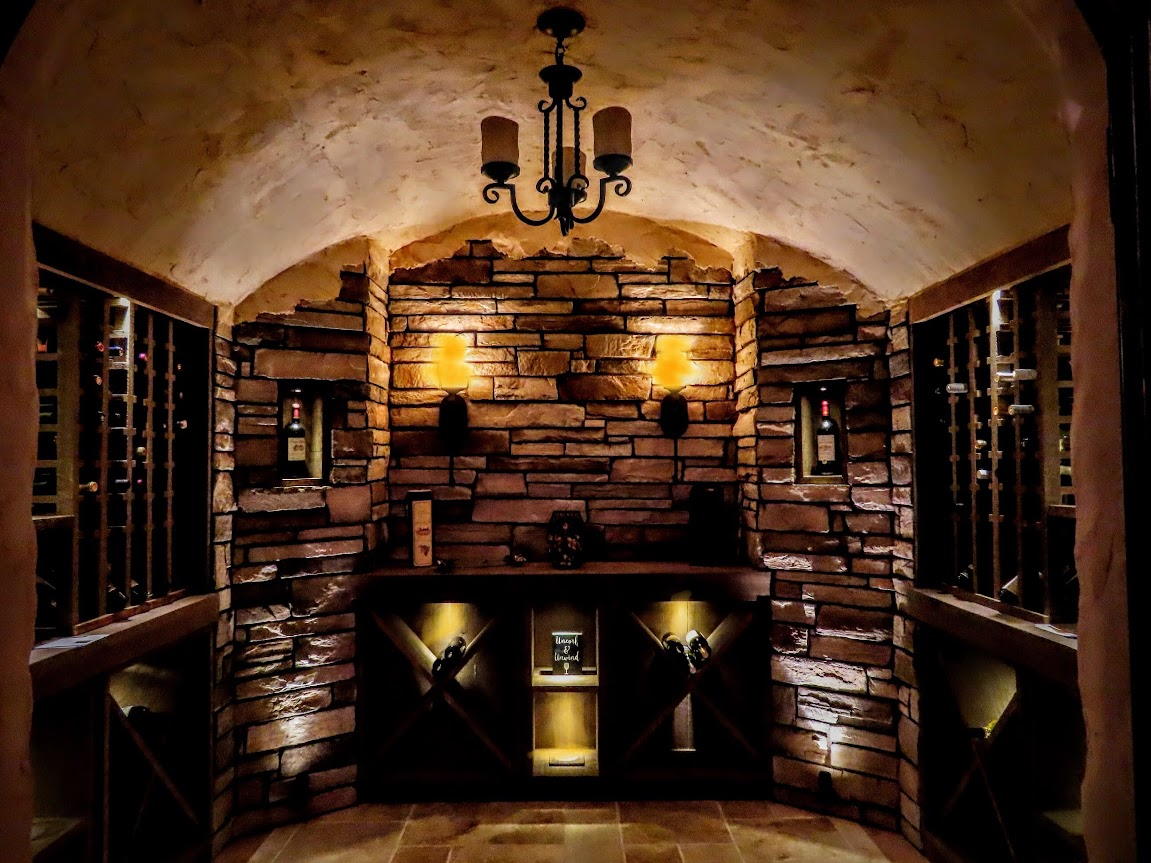
At Baroque Design Custom Wine Cellars, we believe building a custom wine cellar should feel personal, purposeful, and built to last. As Chicagoland specialists in custom wine cellars, we guide our clients through every detail, from smart design to precise climate control, always respecting your vision and your home.
If you are looking for experienced wine cellar builders in Chicago and beyond who understand craftsmanship, function, and style, our team is here to bring your cellar to life.
